March 16, 2026
Commercial Induction Cooking in India: Current Trends, Advantages, and Key Challenges | Balaji Kitchen Industries
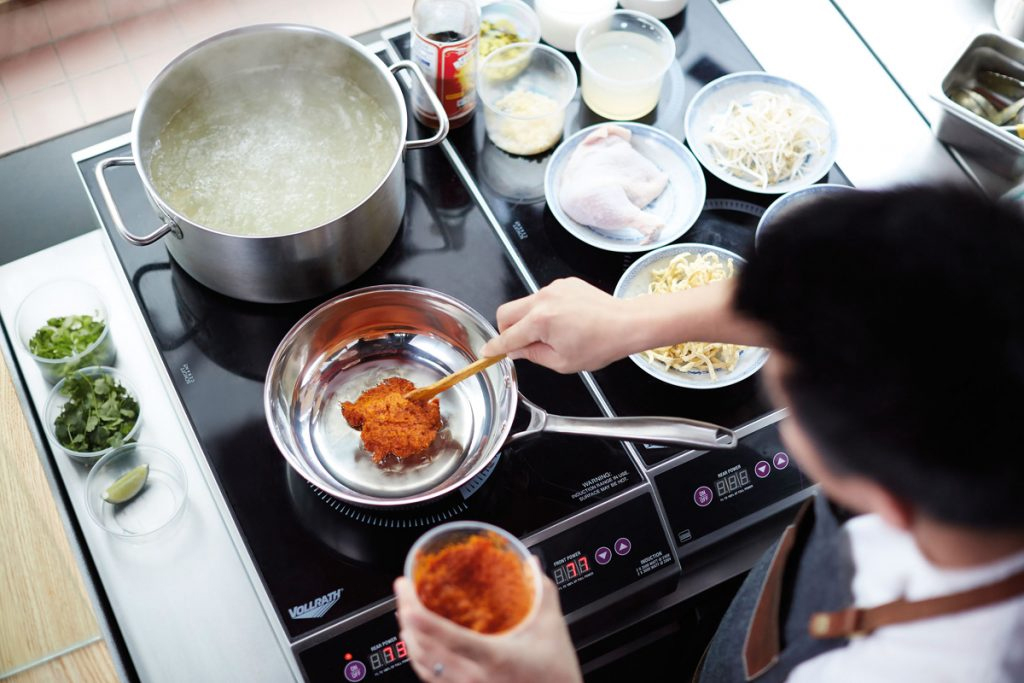
India's food scene buzzes with energy. Restaurants pack in crowds, hotels host big events, and catering crews whip up feasts for weddings. But behind the scenes, kitchens face tough choices. Traditional gas stoves rule the roost, yet they're messy with flames and fuel costs. Enter commercial induction cooking. This tech heats pots fast and clean, without open fires. It cuts waste and boosts safety in busy spots.
This piece dives into the shift. We'll look at trends pushing induction forward, perks that save time and money, and roadblocks holding it back. In India's hot market, induction promises big wins for efficiency and green practices. Companies like Balaji Kitchen Industries lead the charge. They craft gear that fits local needs, from street-side stalls to five-star setups.
Understanding the Shift: Why Commercial Induction is Gaining Traction in India
Businesses in India eye induction for smart reasons. Fuel prices climb, and rules favor clean energy. Diners want spots that look spotless and safe. Gas setups fall short there.
Market Drivers for Adoption
Rising costs hit hard. LPG prices jumped 25% in the last five years for commercial users. PNG rates follow suit in cities. Owners seek ways to trim bills without losing speed.
Government steps in too. Programs like the National Clean Cooking Mission push electric options. They offer rebates for green shifts. Plus, customers spot kitchens through glass walls now. They demand no smoke or sparks. Induction delivers that crisp look.
Take Mumbai's busy eateries. Many switched after fuel hikes in 2023. They report 15-20% drops in monthly energy spend. It's a clear win in tight margins.
Superior Efficiency Over Traditional Methods
Induction shines in heat use. It turns over 90% of power into cooking warmth. Gas burners waste most, at just 40-60% efficiency. That gap adds up in high-turnover kitchens.
For a restaurant frying dosas all day, induction means quicker boils and less idle time. Energy bills shrink by a third in many cases. No heat lost to the air either. Kitchens stay cooler.
Big chains like Taj Hotels tested this. After swapping in induction ranges, one property cut power use by 30% yearly. Cloud kitchens in Delhi saw similar gains. They handle orders faster, with steady output.
Safety and Workplace Environment Enhancement
Hot kitchens drain staff in India's summer swelter. Induction keeps air temps down by 10-15 degrees. Cooks focus better, stay longer on the job.
No flames mean no burns or leaks. Gas incidents drop sharply. Fire codes get easier to meet. In crowded spots, that's huge peace of mind.
One Bangalore hotel noted fewer sick days post-install. Staff praised the steady heat control. It builds a happier team, key for retention.
Current Trends Shaping Commercial Induction Procurement in India
Buyers chase flexible gear now. Urban spaces squeeze every inch. Induction fits that bill with smart designs.
The Rise of High-Capacity, Modular Equipment
Old units sat like tanks. New ones snap together like Lego. You add burners as needed. Perfect for pop-up events or growing cafes.
Balaji Kitchen Industries nails this. Their modular cooktops take heavy Indian pots. Think tadka bursts or biryani simmers. Built tough for daily grind, they handle 5-10 kW loads without a hitch.
In Chennai, caterers love these. They swap setups for 500-guest parties. No full overhauls. Just plug and cook.
Integration with Smart Kitchen Technology
Tech creeps into stoves. IoT links units to apps. You tweak temps from your phone. Recipes save with one tap.
Remote checks spot issues early. A burner acting up? Get alerts before dinner rush. Premium lines from brands like Balaji pack these in.
Hyderabad chains use this for peak hours. They hold sauces at exact temps. Wastes less food. Output stays even.
Focus on Durability and After-Sales Support
India's kitchens push gear to limits. Spices stain, oils splatter. Buyers want steel that lasts, not cheap fixes.
Heavy-gauge builds resist dents. Local service nets mean quick repairs. Balaji sets up hubs in major cities. Parts arrive in days.
A Pune restaurant owner shared his story. He picked Balaji for the warranty network. No downtime during festivals. It paid off fast.
Core Advantages for Indian Food Service Businesses
Induction levels up your game. It nails consistency and saves cash. Green perks seal the deal.
Precision Cooking for Menu Consistency
Ever burned a curry batch? Induction stops that. Digital dials hold 180°C steady. No guesswork with flames.
Chains thrive on this. Every outlet serves the same paneer tikka. Customers return for that taste.
In Kerala resorts, chefs master dosa crisps. Precise heat crisps edges just right. Batches match every time.
Operational Cost Savings Analysis
Crunch the numbers. Induction slashes energy by half versus gas. Add low upkeep—no gas lines to check.
ROI hits in 12-18 months for mid-size spots. Factor in less spoilage. Overheated stocks? Gone.
- Energy: 90% efficient, bills drop 25-40%.
- Maintenance: Clean surfaces, no parts wear.
- Labor: Faster prep cuts staff hours.
One Delhi cloud kitchen calculated 2 lakh rupees saved yearly. Simple math makes the case.
Compliance and Sustainability Credentials
Rules tighten on emissions. Induction skips fossil fuels. It aids LEED ratings for new builds.
CSR reports glow with zero cooking carbon. Brands tout it in ads. Draws eco-minded clients.
Hotels in Goa earn points for this. They cut indirect emissions too. Guests notice the green vibe.
Key Challenges Hindering Mass Adoption
Induction tempts, but bumps slow the roll. Upfront costs sting. Power setups lag.
High Initial Capital Expenditure (CapEx)
Induction units cost 20-30% more than gas. A four-burner setup runs 50,000-1 lakh rupees.
But look longer term. Savings pile up. Finance plans spread payments. Banks offer green loans at low rates.
Small eateries hesitate. Yet pilots show payback quick. Start small to test waters.
Electrical Infrastructure Constraints
Many spots run on shaky grids. Induction needs stable 220V or three-phase. Older wires can't take 3-5 kW draws.
Upgrades cost 20,000-50,000 per kitchen. Blackouts fry units too. Rural areas face worse.
Here's a quick checklist for managers:
- Check panel capacity—aim for 20% headroom.
- Test voltage drops during peaks.
- Hire electricians for load audits.
- Plan phased installs to avoid full rewires.
Follow this, and you sidestep shocks.
Cultural Resistance and Chef Training Gaps
Old-school cooks love flame's roar. Induction feels cold at first. They miss the "feel" for heat.
Training bridges that. Hands-on sessions show tricks. Like boosting power for woks.
Balaji runs workshops. Chefs learn to adapt idlis or rotis. Buy-in grows fast once they see speed.
Strategic Recommendations for Implementation Success
Ease in smart. Pick partners wise. Gear up pots right.
Phased Transition Strategy
Don't swap all at once. Test in prep zones first. Sauces and boils build confidence.
Then tackle mains. Woks next, with staff input. Track energy logs to prove wins.
A Mumbai cafe did this. Started with two units. Full switch in six months. Smooth ride.
Selecting the Right Partner and Equipment Grade
Go local. Balaji knows India's quirks—power fluctuations, heavy use. Their TQM focus ensures quality.
Skip bargain bins. Look for 5-year warranties. Service in your city matters most.
Ask for demos. See how it handles your menu. Right fit boosts output 20%.
Optimizing Cookware Ecosystem
Induction skips non-magnetic pots. You need iron-based ones. Flat bottoms grip best.
Invest in:
- Induction kadhais for stir-fries.
- Steel stock pots for curries.
- Griddles with magnetic layers.
Budget 10-20% extra. It pays in even heat. No hot spots ruin dishes.
Conclusion: Seizing the Competitive Edge with Induction
Commercial induction cooking in India blends speed, safety, and smarts. Trends lean modular and techy. Advantages like precision and savings outweigh gas hassles. Challenges—costs, power, habits—fade with planning.
Top reasons to jump in 2026: Fuel prices soar, green rules tighten, and rivals gain ground. Early movers cut bills and wow staff. Balaji Kitchen Industries equips you right.
Ready to heat things up? Contact Balaji today. Upgrade your kitchen. Lead the pack in India's tasty race.